Hermes vs OpenClaw in 2026: which open-source agent should run your life?
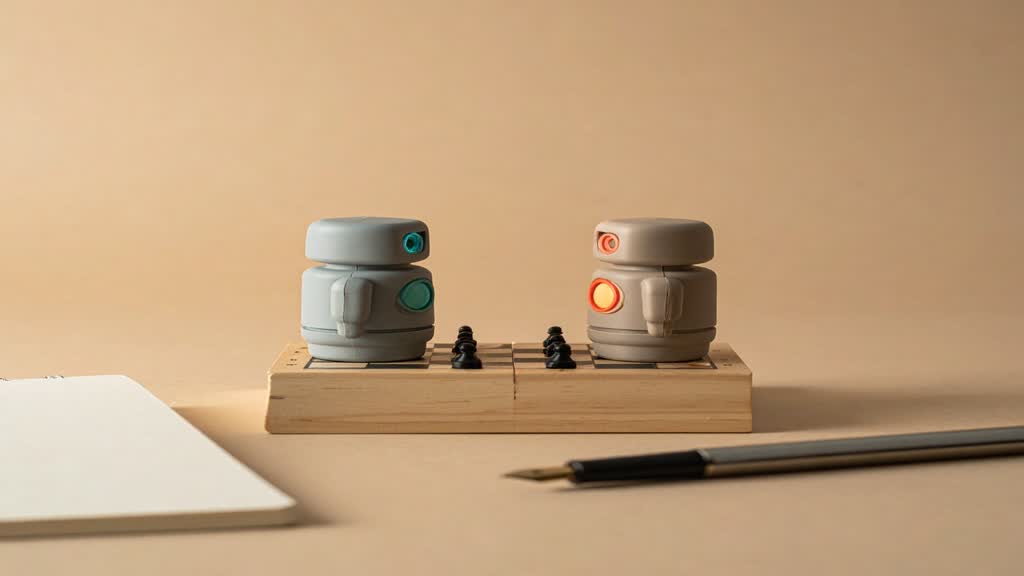
Two open-source agents, two philosophies: Hermes learns you deeper every week, OpenClaw ships features every week. Both run on your own hardware with no subscription — the choice is which virtue you need.
- Both open and self-hosted — Hermes is open source with portable skills; OpenClaw is MIT-licensed under a non-profit foundation. Both run on your own machine or server.
- Hermes compounds — Closed learning loop — memory, self-made skills, cross-session recall — plus 20+ chat platforms, Bot Mode teams, and built-in cron.
- OpenClaw polishes — Personal chief-of-staff with Control UI, ClawHub plugins, desktop apps, and near-weekly releases (2026.9.4 on September 10).
Hermes Agent (Nous Research) and OpenClaw (OpenClaw Foundation) are the two most serious answers to the same question: what if your AI agent lived on your hardware, remembered everything, and cost no subscription? Both are open source. Both are self-hosted. Both talk to you from chat apps and work while you sleep. They differ in what they optimize for — and that difference decides the winner per job.
Round 1: Learning and memory
Hermes is built around a closed learning loop: agent-curated memory with nudges, autonomous skill creation that improves during use, full-text cross-session recall with summarization, and a user model that deepens over sessions. The tenth briefing beats the first because the agent has changed.
OpenClaw counters with MEMORY.md plus the Active Memory plugin (introduced in the 2026.4.x line): a pre-reply memory sub-agent that pulls preferences and history every turn, so personalization accrues without manual curation. Its Skill Workshop keeps each agent's learned skills together across workspaces.
Round to Hermes — barely. Its loop is the deeper system; OpenClaw's is the easier one to start.
Round 2: Where it lives and talks
Hermes serves 20+ platforms from one gateway — Telegram, Discord, Slack, WhatsApp, Signal, Matrix, email, Teams, and more — and runs on anything from a cheap VPS to idle-cheap serverless.
OpenClaw covers the same daily surface (mail, messages, reminders, voice calls) with a Control UI, desktop apps for macOS/Windows/Linux, and one-command onboarding. Its install sends the Foundation nothing but a daily version check you can disable.
Round to Hermes on platform breadth; to OpenClaw on out-of-box polish.
Round 3: Teams and automation
Hermes fields Bot Mode — named specialist Bots with their own model, memory, and skills that run routines, deliberate in group chats, and message each other — plus built-in cron delivery to any platform and parallel subagents.
OpenClaw answers with the Task Brain task ledger, heartbeat supervision, prepared cloud sessions with snapshots, revocable chat share links, and searchable meeting transcripts.
Draw. Hermes organizes agents; OpenClaw organizes work. Pick the shape of your workload.
Round 4: Pace and stability
OpenClaw ships almost weekly — 2026.9.4 landed September 10 with rollback-safe updates, a unified plugin workspace, and cloud sessions — but that cadence has previously carried breaking changes. Pin versions and test upgrades.
Hermes evolves through skills rather than reinstalls: the agent improves inside a stable install. Less churn, but its power features pay off over weeks of use, not an afternoon.
Round to OpenClaw for feature velocity, to Hermes for operational calm.
Run OpenClaw if you want a personal chief-of-staff fast: mail, messages, reminders, and vault secrets handled from a polished Control UI and desktop apps, with new capabilities arriving weekly.
Run both if you're serious — several operators already do, with each agent handling the jobs shaped like it.
What both still need from you
Neither is zero-effort. Both need a model provider behind them, a machine to live on, and real care with credentials, approvals, and sandboxing — agents with hands on your mail are infrastructure, not apps. Evaluate either over two weeks of real tasks before you commit your routines to it.
Prices and benchmark figures are standard published rates as of September 12, 2026 and can change without notice. Some outbound links may be affiliate links — see our disclosure. Found an error? Tell us and we'll correct it in public.